

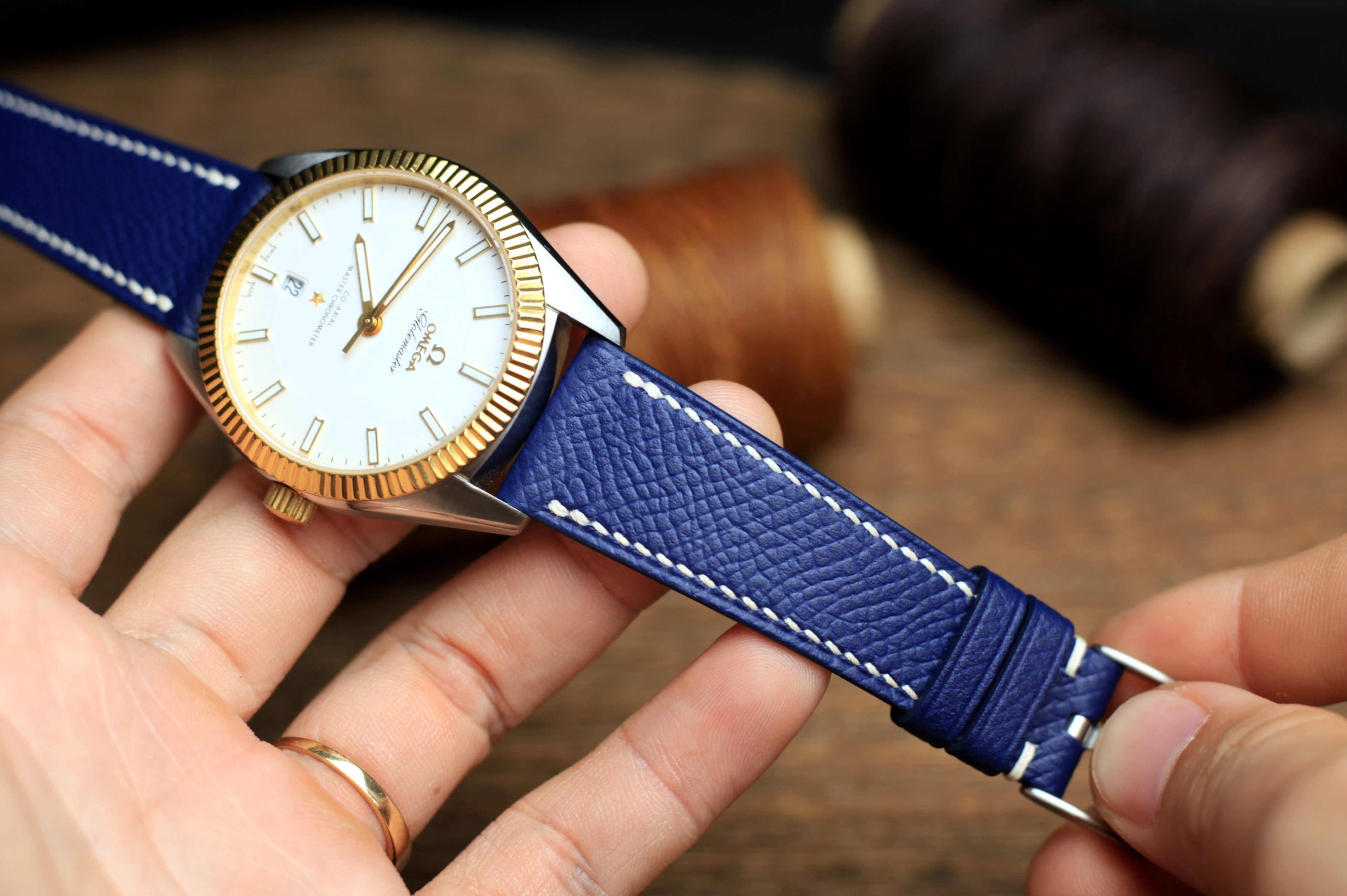
Understanding how to clean a leather watch strap is essential for maintaining both its appearance and longevity. A leather strap is more than a functional component. It is a refined accessory that enhances the character of your timepiece.
However, leather is a natural material that absorbs sweat, oils, and environmental debris. Over time, this buildup can lead to discoloration, stiffness, and unwanted odor. Without proper care, even premium leather can lose its elegance.
With the right cleaning method, you can preserve the strap’s texture, restore its appearance, and ensure it ages beautifully.
Why Leather Watch Straps Need Proper Cleaning
Leather is valued for its softness, flexibility, and ability to develop a unique patina. However, its porous structure also makes it sensitive to moisture and contaminants.
Daily wear exposes your strap to sweat, especially in warm conditions or during extended use. This moisture seeps into the leather fibers, gradually breaking them down. At the same time, oils from your skin and dust from the environment accumulate on the surface.
Over time, this leads to:
-
Darkened areas and uneven color
-
Stiffness or reduced flexibility
-
Surface cracking
-
Unpleasant odor
Unlike metal bracelets, leather cannot simply be rinsed or soaked. It requires a careful and controlled cleaning approach to avoid damage.
Step by Step Guide to Cleaning a Leather Watch Strap
Step 1: Remove the Strap from Your Watch
Before cleaning, detach the strap from the watch case. This step prevents moisture from reaching the watch movement and allows you to clean every part of the strap evenly.
It also reduces the risk of damaging delicate components such as spring bars or lugs.
Step 2: Wipe Away Surface Dirt
Use a soft, dry cloth, ideally microfiber, to gently remove dust and loose debris.
This step is often overlooked, but it is essential. Any remaining particles can scratch the leather when you begin deeper cleaning. Focus on both the outer surface and the inner lining, where sweat tends to accumulate.
Step 3: Use a Damp Cloth with Mild Soap
Lightly dampen a clean cloth with water. Add a small amount of mild soap, such as a gentle hand soap.
Gently wipe the leather using small circular motions. Pay particular attention to areas that come into direct contact with your wrist, as these areas collect the most oils and sweat.
Avoid applying too much water. Leather should never be soaked, as excessive moisture can weaken its structure and cause warping.
Step 4: Clean the Underside Thoroughly
The underside of the strap often holds the most buildup. Sweat and moisture accumulate here, which can lead to odor if not addressed.
Carefully wipe this area using the same damp cloth technique. Be gentle to avoid damaging the inner lining, especially if it is made from softer leather.
Step 5: Remove Soap Residue
After cleaning, use a separate cloth dampened with clean water to remove any remaining soap.
Leaving soap on the leather can cause it to dry out over time. It may also leave a residue that affects the texture and appearance of the strap.
Step 6: Dry the Strap Naturally
Pat the strap gently with a dry cloth to remove excess moisture. Then allow it to air dry at room temperature.
Avoid direct sunlight, radiators, or hair dryers. Heat can cause the leather to become brittle and crack.
Let the strap dry completely before reattaching it to your watch. This step is crucial to prevent trapped moisture, which can lead to odor or mold.
Step 7: Apply Leather Conditioner
Once the strap is fully dry, apply a small amount of leather conditioner.
Conditioning restores essential oils that are lost during cleaning. It keeps the leather soft, flexible, and resistant to cracking.
Use a soft cloth to apply the conditioner evenly. Allow it to absorb fully before wearing the strap again.
How to Remove Odor from a Leather Watch Strap
Odor is a common issue with leather watch straps, especially for those worn daily. Sweat and bacteria trapped within the leather fibers are the main cause.
To reduce and prevent odor:
-
Clean the strap regularly using the steps above
-
Allow the strap to air dry after each use
-
Avoid wearing the strap when excessively sweating
-
Store it in a dry, well-ventilated area
In some cases, consistent cleaning and proper drying are enough to eliminate unwanted smells. However, if the odor persists, it may indicate deep saturation within the leather, which is more difficult to reverse.
What to Avoid When Cleaning Leather Watch Straps
Cleaning leather requires care and restraint. Using the wrong method can cause irreversible damage.
Avoid the following:
-
Soaking the strap in water
-
Using harsh chemicals or alcohol-based cleaners
-
Scrubbing aggressively with rough materials
-
Exposing the strap to direct heat
-
Skipping conditioning after cleaning
These mistakes can strip natural oils, weaken the fibers, and lead to premature aging.
How Often Should You Clean a Leather Watch Strap
Cleaning frequency depends on how often you wear your watch.
For regular wear:
-
Light cleaning every one to two weeks
-
Deeper cleaning once a month
If you wear your watch in hot or humid conditions, you may need to clean it more frequently. Regular maintenance prevents buildup and keeps the strap looking refined.
Daily Care Tips to Extend Strap Lifespan
Beyond cleaning, proper daily care plays a significant role in preserving your leather strap.
Consider these habits:
-
Remove your watch before swimming or showering
-
Avoid prolonged exposure to sweat and moisture
-
Rotate between multiple straps to allow each one to rest
-
Store your watch in a cool, dry place
These small steps can significantly extend the life of your strap and maintain its appearance over time.
Final Thoughts
Learning how to clean a leather watch strap is an essential part of caring for your timepiece. Leather rewards proper maintenance with lasting comfort, durability, and a rich patina that evolves over time.
By following a careful cleaning routine and avoiding common mistakes, you can preserve the natural beauty of your strap. A well-maintained leather strap not only enhances your watch but also reflects a deeper appreciation for craftsmanship and detail.
With consistent care, your leather strap will continue to develop character while remaining a refined companion for years to come.
—
Related care guides
- Leather oil and conditioning guide — follow up cleaning with proper conditioning to extend strap life.
- How to replace a leather watch strap — when cleaning isn't enough.
- Browse leather watch straps — when it's time for a new one.
Share:
Leather vs Silicone Watch Band: Which Material Fits Your Lifestyle
Best Leather Watch Strap for Your Rolex: Submariner, Datejust, GMT-Master and Daytona Guide